
What Happens If You Don’t Replace a Missing Tooth?
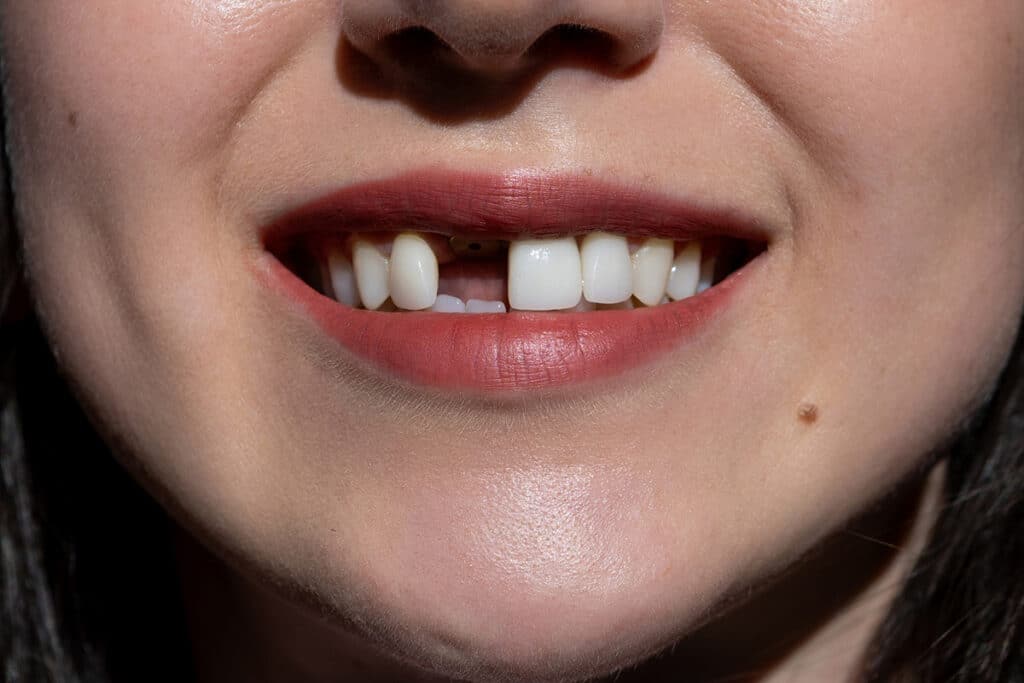
Losing a tooth can feel like something you can put off, especially if it’s not immediately visible. However, even a single missing tooth can lead to a range of oral health issues over time. Understanding the long-term effects of tooth loss can help you make informed decisions about your dental care and protect your smile for years to come.
At Imperial Dental Associates, we often help patients explore solutions through restorative dentistry to address missing teeth and prevent complications. Taking action early can make a significant difference in maintaining both your oral health and overall well-being.
The Hidden Effects of Tooth Loss on Your Oral Health
When a tooth is lost, the surrounding teeth and jawbone begin to change. One of the most common issues is shifting teeth. Neighboring teeth may gradually move into the empty space, leading to misalignment and bite problems. This can make chewing less efficient and may even cause discomfort in the jaw over time.
Bone loss is another serious concern. Your jawbone relies on stimulation from tooth roots to maintain its strength and density. Without that stimulation, the bone in the area where the tooth is missing begins to deteriorate. Over time, this can change the shape of your face and weaken the foundation needed to support future dental treatments.
Additionally, gaps left by missing teeth can trap food particles and bacteria more easily. This increases the risk of gum disease and tooth decay in surrounding teeth, potentially leading to further tooth loss if not addressed.
How Missing Teeth Impact Your Daily Life
Beyond oral health, missing teeth can affect your daily comfort and confidence. Eating certain foods may become more difficult, especially if the missing tooth is in a key area for chewing. This can limit your diet and impact your overall nutrition.
Speech can also be affected. Teeth play an important role in forming certain sounds, so gaps may cause changes in pronunciation or clarity. Over time, this can lead to frustration or self-consciousness in social situations.
Your appearance may change as well. Even a single missing tooth can alter the symmetry of your smile. As bone loss progresses, it can lead to a sunken facial appearance, making you look older than you are. These changes can impact self-esteem and how you interact with others.
Why Early Treatment Matters with Restorative Dentistry
Choosing to replace a missing tooth sooner rather than later can help prevent many of these issues. Treatments offered through restorative dentistry are designed to restore both function and appearance while protecting your long-term oral health.
Options such as dental implants, bridges, and dentures can fill the gap left by a missing tooth and help maintain proper alignment. Dental implants, in particular, provide stimulation to the jawbone, helping to preserve bone structure and prevent deterioration.
Protect Your Smile by Taking Action
Ignoring a missing tooth may seem harmless at first, but the long-term effects can be significant. From shifting teeth and bone loss to changes in speech and appearance, the consequences can impact both your oral health and quality of life.
Taking proactive steps to replace missing teeth is one of the best ways to protect your smile. With the right treatment plan, you can restore function, maintain your facial structure, and enjoy greater confidence in your everyday life.
Frequently Asked Questions About Restorative Dentistry
What is restorative dentistry?
Restorative dentistry focuses on repairing or replacing damaged or missing teeth. It includes treatments like dental implants, bridges, and dentures to restore function and appearance.
How soon should I replace a missing tooth?
It is best to replace a missing tooth as soon as possible. Early treatment helps prevent bone loss, shifting teeth, and other complications.
Are dental implants better than bridges?
Both options have benefits depending on your needs. Dental implants offer long-term stability and help preserve bone, while bridges can be a quicker solution in some cases.
Can a missing tooth affect my overall health?
Yes, missing teeth can impact your ability to eat properly and maintain good nutrition. They can also increase the risk of gum disease and additional dental issues.
Is replacing one missing tooth really necessary?
Even a single missing tooth can lead to alignment issues, bone loss, and changes in your bite. Replacing it helps maintain your oral health and prevents future problems.
At Imperial Dental Associates, we are committed to helping our patients achieve healthy, confident smiles through personalized care. Our team provides comprehensive solutions designed to restore function and improve long-term oral health. If you are dealing with a missing tooth, we are here to guide you every step of the way. Contact us today to schedule a consultation.